Samsung Cloud Secret Features Most Users Never Discover

Introduction
In today’s digital world, smartphones store everything from photos and videos to documents, contacts, and personal memories. Losing this data can be frustrating and sometimes even costly. That is why cloud storage solutions have become an essential part of modern mobile ecosystems. Among the available options, Samsung cloud has remained a valuable service for millions of Samsung users who want a secure and convenient way to back up and restore important information.
Thank you for reading this post, don't forget to subscribe!Many smartphone owners use cloud storage without fully understanding its capabilities. While most people know it can save photos and contacts, there are several hidden advantages that make it a powerful companion for Samsung devices. Whether you recently purchased a Galaxy smartphone or have been using one for years, understanding how Samsung cloud works can help you protect your digital life more effectively.
This guide explores everything you need to know, including features, benefits, security, setup tips, and best practices for maximizing your cloud storage experience.
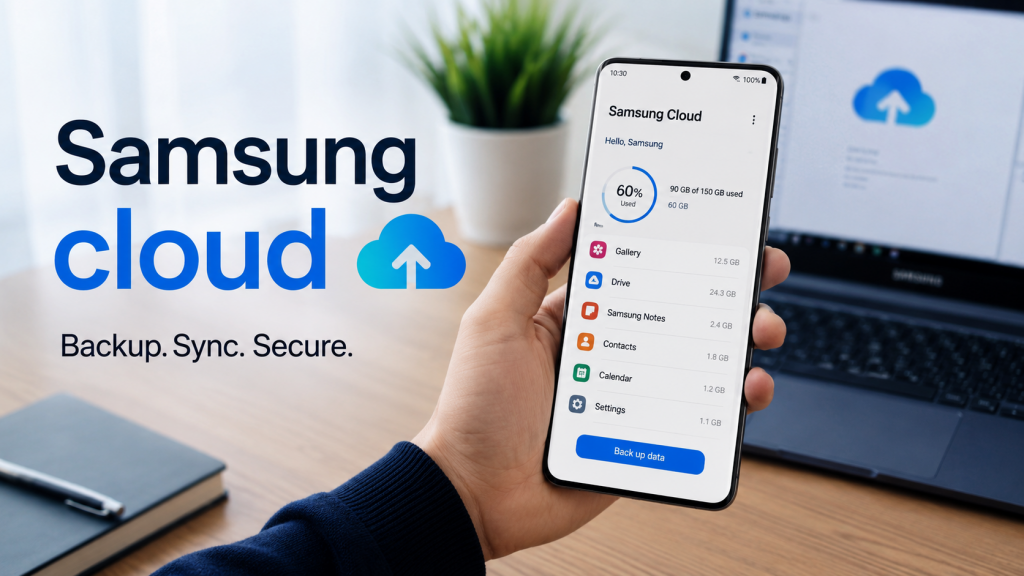
What Is Samsung cloud?
Samsung cloud is a cloud-based storage and synchronization service developed for Samsung Galaxy devices. It enables users to back up, restore, and sync important data across compatible devices.
The platform is designed to help users recover information quickly when switching phones, performing factory resets, or dealing with accidental data loss. Instead of manually transferring files, Samsung cloud automates the process and keeps essential information accessible.
Some of the data types commonly supported include:
- Contacts
- Calendars
- Notes
- Settings
- Call logs
- Messages
- Home screen layouts
- App data
This functionality creates a seamless experience for users who want their information available whenever they need it.
Why Cloud Backup Matters More Than Ever
Modern smartphones contain valuable information that often cannot be replaced. According to industry research, thousands of devices are lost, stolen, or damaged every day.
Without a backup solution, users risk losing:
- Family photographs
- Business contacts
- Important documents
- Personal notes
- Device settings
Using Samsung cloud significantly reduces these risks by storing critical information securely online.
Key Benefits of Cloud Storage
Automatic Protection
One of the biggest advantages of Samsung cloud is automated backup functionality. Users can schedule backups without manually saving files every day.
Easy Device Migration
Upgrading to a new Galaxy device becomes easier because Samsung cloud can restore settings and personal data in minutes.
Convenient Accessibility
Cloud storage ensures that information remains available even if a device is lost or damaged.

Core Features That Make It Useful
Samsung has continuously refined Samsung cloud to improve user convenience and data protection.
Backup and Restore
The backup feature creates copies of essential device information. When needed, users can restore the saved data onto a compatible Samsung device.
Data Synchronization
Synchronization keeps selected information updated across multiple devices connected to the same Samsung account.
Device Settings Backup
Many users appreciate that Samsung cloud saves personalized settings, reducing setup time after a device reset.
Gallery Integration
While Samsung has adjusted photo storage options over time, users can still benefit from integrated cloud management solutions through supported services.
Author Bio
| Field | Details |
|---|---|
| Name | Naveed Khatri |
| Profession | Technology Writer, Cybersecurity Researcher, and AI Enthusiast |
| Website | https://moderntrendsnow.org/ |
| Expertise | Cybersecurity, Emerging Technologies, Artificial Intelligence (AI), Digital Innovation |
| Social Profiles | LinkedIn, Medium, Reddit |
How to Set Up Samsung cloud
Setting up Samsung cloud is straightforward and usually takes only a few minutes.
Step 1: Open Settings
Navigate to your Samsung device settings menu.
Step 2: Sign In
Log in using your Samsung account credentials.
Step 3: Access Backup Options
Locate the backup and synchronization section associated with Samsung cloud.
Step 4: Choose Data Categories
Select the types of information you want backed up regularly.
Step 5: Enable Automatic Backup
Turn on automatic backup to ensure your information remains protected.
Following these steps helps maintain a consistent backup routine without additional effort.
Security and Privacy Features
Security remains a major concern for cloud users. Fortunately, Samsung cloud incorporates multiple protection measures.
Encryption Technology
Data transmitted between devices and cloud servers is encrypted to reduce security risks.
Samsung Account Authentication
Access requires account verification, helping prevent unauthorized usage.
Regular Security Updates
Samsung continues improving cloud infrastructure to address emerging threats and vulnerabilities.
These protections help users feel more confident when storing personal information online.
Common Use Cases
People use Samsung cloud in various practical situations.
Switching to a New Phone
When upgrading devices, Samsung cloud simplifies the migration process by restoring saved data automatically.
Recovering After a Factory Reset
Users performing troubleshooting resets can recover settings and information quickly.
Protecting Personal Memories
Photos, contacts, and notes represent years of valuable memories. Samsung cloud helps ensure they remain safe.
Business Continuity
Professionals often rely on Samsung cloud to maintain access to essential contacts and schedules.

Tips for Getting the Most Value
To maximize benefits, consider the following best practices.
Review Backup Settings Monthly
Check backup categories periodically to ensure important information is included.
Use Strong Passwords
Protect your Samsung account with a unique and secure password.
Enable Multi-Factor Authentication
Additional verification significantly improves account security.
Connect to Wi-Fi During Backups
Large backups can consume mobile data. Wi-Fi connections help reduce costs.
Monitor Storage Usage
Regularly review available storage to avoid unexpected limitations.
These simple habits can improve the overall effectiveness of Samsung cloud.
Samsung cloud vs Other Cloud Services
Many users compare Samsung cloud with competing cloud storage platforms.
Advantages
- Native Galaxy integration
- Simplified device restoration
- Easy setup process
- Seamless synchronization
Potential Limitations
- Primarily optimized for Samsung devices
- Certain storage functions have evolved over time
- Some users may require additional third-party storage services
For Galaxy owners, Samsung cloud remains one of the most convenient ecosystem-focused solutions available.
Future of Cloud Services in the Samsung Ecosystem
Cloud technology continues evolving rapidly. Samsung cloud is expected to remain an important part of Samsung’s broader ecosystem strategy.
Future developments may focus on:
- Enhanced AI-driven backup management
- Improved cross-device experiences
- Stronger security mechanisms
- Better integration with smart home devices
- Expanded productivity features
As connected devices become more common, cloud synchronization will likely play an even greater role in everyday digital life.
Common Mistakes Users Should Avoid
Many people fail to take full advantage of Samsung cloud because of simple oversights.
Ignoring Backup Notifications
Missed backup reminders can result in outdated data.
Forgetting Account Credentials
Always maintain secure access to your Samsung account.
Delaying Data Recovery
If a device issue occurs, use Samsung cloud recovery features promptly to minimize disruption.
Not Verifying Backup Completion
Occasionally check that backups are completing successfully.
Avoiding these mistakes can help ensure a smoother experience.
Recent Post
- What Is Coding and Why Everyone Suddenly Wants to Learn It
- Why Person-Centred Software Is Changing Care Faster Than Anyone Expected
- Sisra Analytics: Why Everyone Is Talking About It
- Why Robotics Programming Is Becoming One of the Most Valuable Skills Today
- Smart TV Is Changing Home Entertainment Faster Than You Think
Frequently Asked Questions
Is Samsung cloud free to use?
Basic cloud functionality is generally available for Samsung users, though available storage and features may vary depending on region and service updates.
Does Samsung cloud back up photos?
Support for photo storage has evolved over time. Users should review current Samsung account options and supported gallery integrations.
Can I restore data to a new phone?
Yes. Samsung cloud allows users to restore supported information when setting up a compatible Samsung device.
Is Samsung cloud secure?
Samsung cloud uses security measures such as encryption and account authentication to help protect user data.
What data can be backed up?
Supported categories typically include contacts, messages, settings, calendars, notes, and other device information.
Do I need a Samsung account?
Yes. Accessing Samsung cloud requires a valid Samsung account.
Conclusion
Smartphones have become central to both personal and professional life, making data protection more important than ever. Samsung cloud offers a practical solution for backing up, restoring, and synchronizing valuable information across Samsung devices. From safeguarding contacts and settings to simplifying phone upgrades and recovery processes, it provides meaningful benefits for everyday users.
By understanding its features, implementing strong security practices, and maintaining regular backups, users can significantly reduce the risk of data loss. Whether you’re setting up a new Galaxy device or looking for a smarter way to protect your digital content, Samsung cloud remains a reliable tool worth utilizing.
Start reviewing your backup settings today and ensure your important information stays protected for the future.