How to Entertain a 2 Year Old With Easy Fun Activities

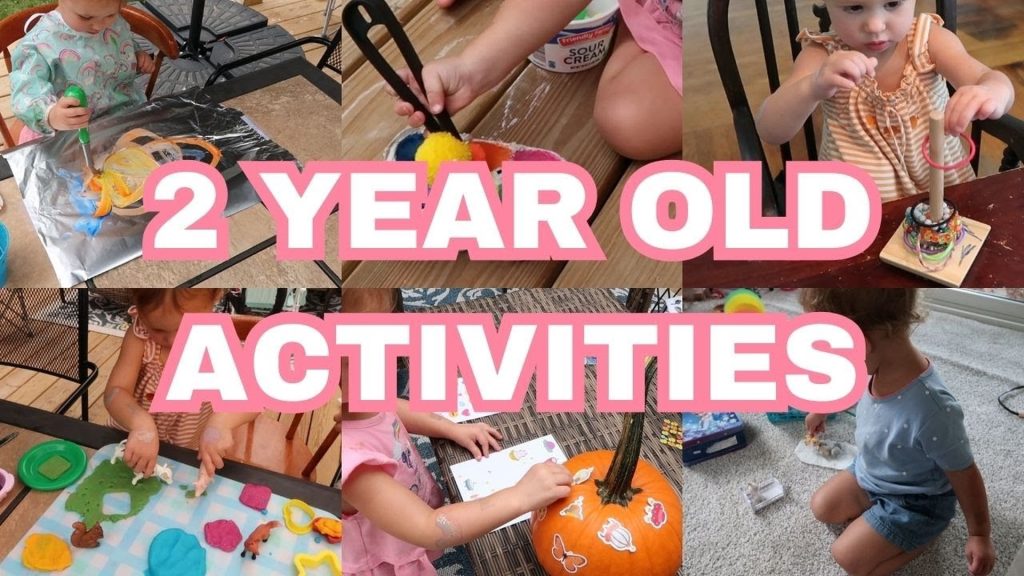
If you are wondering how to entertain a 2 year old, you do not need expensive toys or complicated plans. At this age, children are naturally curious and often enjoy simple activities that involve movement, imagination, music, books, and everyday objects.
Thank you for reading this post, don't forget to subscribe!The best activities are usually short, flexible, and easy to repeat. For example, you can build with blocks, read a picture book, dance to music, explore outside, or create simple art together. These activities can provide entertainment while also giving toddlers opportunities to explore and learn.
Here are practical ideas you can use at home or outdoors.
Why Simple Activities Work So Well
When learning how to entertain a 2 year old, remember that toddlers can move quickly from one interest to another. An activity does not have to last a long time to be worthwhile.
Simple play also gives children room to make choices. Instead of explaining exactly what they should do, give them safe materials and let them explore.
The CDC suggests activities such as building with blocks, simple pretend play, art, helping with household tasks, and outdoor games for children around this age.
1. Build With Blocks
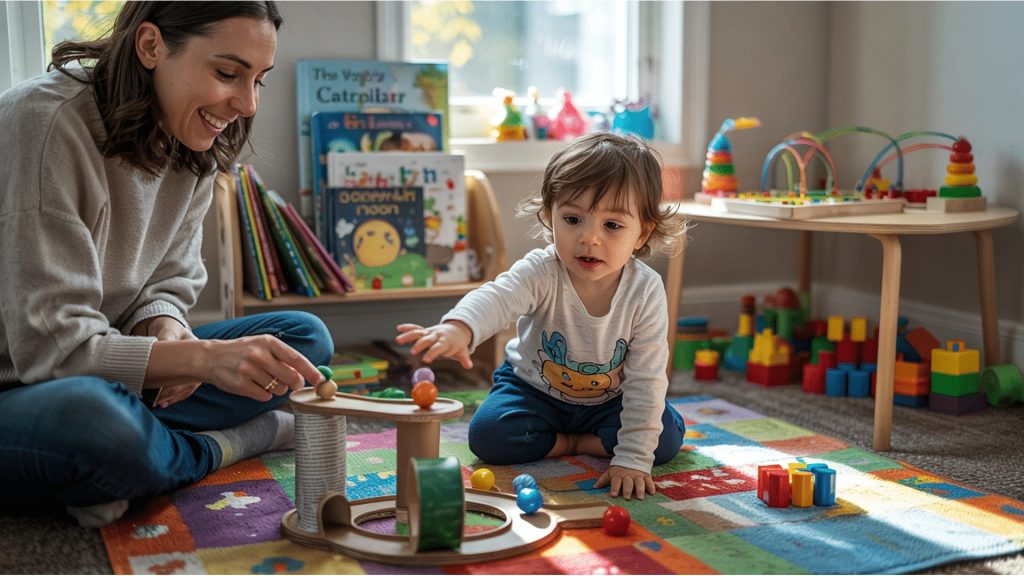
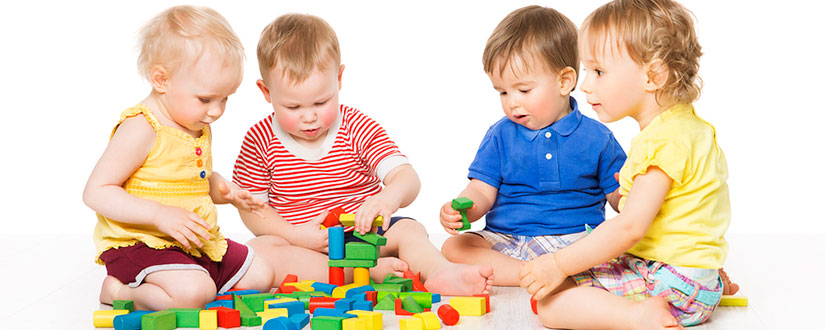
Blocks are an easy way to keep little hands busy.
Give your child age-appropriate blocks and let them build towers, houses, roads, or anything else they imagine. You can build beside them and then ask them to make something different.
Talk about colors, shapes, and sizes naturally while playing. There is no need to turn the activity into a formal lesson.
2. Read Picture Books
Reading is another simple answer to how to entertain a 2 year old.
Choose picture books with familiar animals, objects, or simple stories. Let your child turn the pages and point to pictures.
You can ask questions such as:
- “Where is the cat?”
- “What color is the ball?”
- “Can you find the dog?”
The CDC also recommends using familiar books and talking with toddlers to support learning and communication.
3. Have a Mini Dance Party
Put on child-friendly music and encourage your toddler to move.
You can clap, march, jump, or copy each other’s movements. This is especially useful when your child has lots of energy and needs a change from quiet play.
Keep the room clear of objects that could cause trips or falls.
4. Try Pretend Play
Pretend play is a great way to make how to entertain a 2 year old more creative.
Use toy dishes, stuffed animals, dolls, or other age-appropriate toys. Pretend to cook a meal, feed a toy, go shopping, or put a stuffed animal to bed.
Two-year-olds often enjoy copying adults. The American Academy of Pediatrics notes that pretend play can help young children explore social situations and emotions.
5. Try a Simple Sorting Game
Sorting can be both fun and easy.
Use large, safe toys and ask your child to group them by color, shape, or type. For example, you could put all the red blocks in one group and blue blocks in another.
Keep the game relaxed. If your child wants to stop, simply move to another activity.
Avoid small objects that could be choking hazards. The American Academy of Pediatrics recommends choosing toys that are suitable for a child’s age and keeping small parts away from young children.
6. Explore the Outdoors
Outdoor exploration is one of the easiest ways to entertain a 2 year old when your child needs active play.
Take a short walk, visit an age-appropriate playground, or explore a safe outdoor area. Talk about trees, birds, leaves, clouds, and sounds.
You can also play simple games such as kicking or rolling a ball. The CDC recommends outdoor play and simple movement activities for toddlers.
7. Make Simple Art
You do not need a complicated craft project.
Give your toddler paper and age-appropriate washable crayons. Let them draw lines, circles, dots, or whatever they want.
You can also try child-safe finger painting with close supervision. The goal is exploration rather than creating a perfect picture.
The CDC includes simple art activities among ways adults can encourage learning and development at this age.
8. Try Supervised Water Play
On a warm day, a small amount of water can provide plenty of entertainment.
Use a shallow container with safe cups or bath toys. Your toddler can pour, scoop, and explore how the water moves.
However, never leave a toddler alone around water. Even a small amount can create a serious safety risk, so close adult supervision is essential.
9. Create an Indoor Movement Game
Bad weather does not mean your child has to sit still.
Create a simple movement path using safe cushions or open floor space. Your toddler can walk around objects, crawl through a safe space, or follow you as you move.
Keep the area clear and avoid furniture or setups that encourage climbing onto unsafe surfaces. Toddlers are still learning to recognize danger and need close supervision.
10. Let Your Toddler Help
Sometimes the easiest way to entertain a 2 year old is to include them in safe everyday tasks.
Ask your child to put toys into a basket, carry a lightweight item, or help place safe items on a table.
These small jobs can make toddlers feel involved. The CDC also suggests letting children help with simple tasks such as carrying lightweight items or putting toys away.
How to Keep a 2 Year Old Interested
If you are learning how to entertain a 2 year old, avoid expecting one activity to keep your child busy for a long time.
Instead:
- Rotate activities when interest fades.
- Keep favorite toys available but avoid overwhelming your child.
- Mix quiet and active play.
- Follow your toddler’s interests.
- Repeat activities they enjoy.
- Give simple choices.
- Join in when they want company.
The American Academy of Pediatrics emphasizes that simple toys and play with caregivers can encourage imagination, interaction, and learning.
Safety Tips for Toddler Activities
Safety should always come before entertainment.
When deciding how to entertain a 2 year old, use age-appropriate toys and check them regularly for broken pieces. Avoid small parts, loose magnets, button batteries, and other objects that can become dangerous if swallowed.
For outdoor play, choose equipment appropriate for your child’s age and abilities. Stay nearby and supervise activities involving water, climbing, art materials, or unfamiliar objects.
If you are unsure whether an activity is appropriate, choose a simpler option.
Quick Comparison
| Activity | Best For | What You Need |
|---|---|---|
| Blocks | Building and exploring | Age-appropriate blocks |
| Picture books | Quiet time and language | Children’s books |
| Dancing | Movement | Music |
| Pretend play | Imagination | Safe toys |
| Drawing | Creativity | Paper and crayons |
| Outdoor play | Active exploration | Safe outdoor space |
| Water play | Sensory exploration | Shallow container and safe toys |
Conclusion
Learning how to entertain a 2 year old does not have to be difficult. Blocks, books, music, pretend play, art, outdoor exploration, and simple household tasks can all become enjoyable activities.
The key is to keep play simple, flexible, and appropriate for your child’s age. Follow your toddler’s interests, change activities when needed, and stay close during activities that require supervision. Most importantly, remember that everyday play can be both fun and meaningful.
FAQs
What are easy ways to entertain a 2 year old at home?
Try blocks, books, pretend play, drawing, music, simple sorting games, and safe household tasks. Keep activities short and change them when your child loses interest.
How can I entertain a 2 year old without toys?
Read a book, sing songs, dance, explore outdoors, play pretend games, or let your toddler help with a simple and safe task.
What are good indoor activities for a 2 year old?
Building blocks, drawing, reading, pretend play, music, and simple movement games are good indoor choices.
How long should an activity last?
There is no fixed time. Follow your child’s attention and switch activities when they become bored, tired, or frustrated.
Are simple toys good for toddlers?
Yes. Simple toys such as blocks, books, crayons, and pretend-play items can encourage hands-on exploration and interaction.