Why Person Centred Software Is Changing Care Faster Than Anyone Expected

In today’s rapidly evolving care environment, organizations are under increasing pressure to deliver personalized support while maintaining efficiency, compliance, and high-quality outcomes. Traditional care management methods often struggle to keep up with growing demands, leaving providers searching for smarter solutions that place people at the heart of every decision.
Thank you for reading this post, don't forget to subscribe!This is where Person centred software is transforming the landscape. Rather than focusing solely on processes and paperwork, modern care technology empowers organizations to prioritize individual needs, preferences, goals, and outcomes. As healthcare, social care, disability support, and community services continue to embrace digital transformation, organizations are discovering that a people-first approach delivers better experiences for both service users and care professionals.
This article explores why person-centered technology is becoming essential, how it improves outcomes, and what organizations should consider when choosing the right solution.
What Is Person centred software?
Person centred software is a digital solution designed to help care providers deliver individualized support based on each person’s unique needs, preferences, strengths, and goals.
Unlike traditional management systems that focus primarily on administrative tasks, Person centred software enables organizations to create personalized care plans, track outcomes, improve communication, and support collaborative decision-making.
The core philosophy behind these platforms is simple: every individual deserves care and support tailored to their specific circumstances rather than a one-size-fits-all approach.
Key Features Often Included
- Personalized care planning
- Outcome tracking and reporting
- Goal management tools
- Real-time documentation
- Risk assessments
- Family and stakeholder collaboration
- Compliance monitoring
- Mobile accessibility
- Data analytics and insights
- Secure communication channels
These features work together to create a more responsive and person-focused care environment.
Why Personalized Care Matters More Than Ever
Modern service users expect more than basic support. They want their voices heard, their preferences respected, and their goals actively incorporated into care planning.
Research consistently shows that personalized care approaches improve:
- User satisfaction
- Engagement levels
- Health outcomes
- Independence
- Quality of life
- Care coordination
- Staff productivity
Organizations that fail to embrace personalization risk falling behind both operationally and competitively.
This growing demand has made Person centred software a strategic investment rather than just another technology upgrade.
How Technology Supports Human-Centered Care
Some people mistakenly believe that technology reduces the human aspect of care. In reality, the right tools can strengthen relationships and improve communication.
Person centred software helps caregivers spend less time on administrative tasks and more time engaging directly with the people they support.
Better Information Access
Care professionals often need immediate access to accurate information.
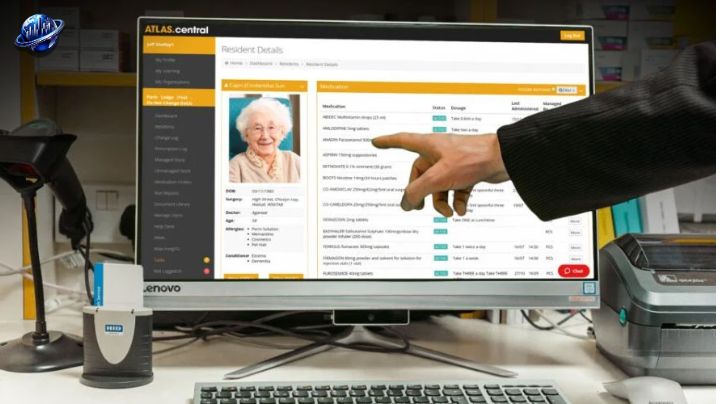
With centralized digital records, staff can quickly review:
- Individual preferences
- Medical histories
- Support plans
- Risk assessments
- Progress notes
This enables more informed and responsive decision-making.
Enhanced Collaboration
Care rarely involves a single professional.
Families, healthcare providers, support workers, therapists, and managers all contribute to positive outcomes.
Person centred software creates a shared platform where stakeholders can collaborate effectively while maintaining appropriate privacy and security standards.
Benefits for Care Providers
Organizations adopting Person centred software often experience significant operational improvements.
Improved Efficiency
Paper-based systems consume valuable time and resources.
Digital workflows automate routine tasks such as:
- Documentation
- Scheduling
- Reporting
- Compliance tracking
- Outcome monitoring
This allows staff to focus on delivering meaningful support.
Greater Regulatory Compliance
Regulatory requirements continue to become more complex.
Modern software solutions help providers maintain accurate records, generate audit trails, and demonstrate compliance during inspections.
Better Data Accuracy
Manual recordkeeping increases the risk of errors.
By digitizing processes, organizations can improve data quality and reduce inconsistencies that may affect care delivery.
Real-World Impact on Service Users
The ultimate measure of success is how individuals benefit from improved care experiences.
Person centred software enables organizations to create support plans that genuinely reflect personal aspirations rather than generic service objectives.
Supporting Individual Goals
Every person has different priorities.
For one individual, success may mean gaining employment. For another, it may involve building social connections or increasing independence.
Technology helps providers track progress against these personalized goals in a structured and measurable way.
Increasing Participation
People are more likely to engage with services when they feel involved in decision-making.
By incorporating feedback and preferences directly into care planning, Person centred software promotes greater ownership and participation.
Author Bio
| Author Bio | Details |
|---|---|
| Name | Naveed Khatri |
| Profession | Technology Writer, Cybersecurity Researcher, and AI Enthusiast |
| Website | https://moderntrendsnow.org/ |
| Expertise | Cybersecurity, Emerging Technologies, Artificial Intelligence (AI), Digital Innovation |
| Social Profiles | LinkedIn, Medium, Reddit |
Essential Features to Look For
Not all solutions offer the same capabilities.
When evaluating Person centred software, organizations should prioritize features that support both operational efficiency and personalized care delivery.
User-Friendly Interface
Adoption depends heavily on usability.
Systems should be intuitive for staff, managers, and stakeholders regardless of technical experience.
Mobile Accessibility
Many care professionals work remotely or in community settings.
Mobile-friendly platforms ensure information remains accessible whenever and wherever it is needed.
Customizable Workflows
Every organization operates differently.
Flexible software allows providers to adapt workflows to specific service requirements.
Advanced Reporting
Strong reporting capabilities help organizations measure outcomes, identify trends, and demonstrate effectiveness.
The Role of Data in Improving Outcomes
Data-driven decision-making is becoming increasingly important in modern care environments.
Person centred software provides valuable insights into:
- Service performance
- Outcome achievement
- Resource utilization
- Risk management
- User engagement
These insights enable organizations to continuously improve their services.
Predictive Analytics
Some advanced platforms use predictive analytics to identify potential issues before they escalate.
This proactive approach can reduce risks and improve long-term outcomes.
Challenges Organizations May Face
Although the benefits are substantial, implementation requires careful planning.
Staff Training
Successful adoption depends on ensuring employees understand how to use new systems effectively.
Change Management
Transitioning from traditional processes to digital workflows can create resistance.
Strong leadership and clear communication are essential.
Data Migration
Moving information from legacy systems requires careful attention to accuracy and security.
Organizations that address these challenges early are more likely to achieve successful outcomes.
Why the Future of Care Is Person-Centered
The future of health and social care is increasingly focused on individualized support.
As expectations continue to evolve, organizations need tools that help them deliver truly personalized experiences.
Person centred software supports this shift by combining technology, collaboration, and data-driven insights with a strong commitment to individual empowerment.
Providers that invest in these solutions today are positioning themselves for long-term success in a rapidly changing environment.

Best Practices for Successful Implementation
To maximize value from Person centred software, organizations should follow several proven strategies.
Involve Stakeholders Early
Gather input from:
- Staff members
- Service users
- Families
- Management teams
Early engagement improves adoption and identifies potential challenges before implementation begins.
Define Clear Objectives
Organizations should establish measurable goals related to:
- Service quality
- Efficiency
- Compliance
- User satisfaction
Clear objectives make it easier to evaluate success.
Monitor and Optimize
Implementation should not be viewed as a one-time event.
Regular reviews help organizations identify opportunities for improvement and maximize return on investment.
Recent Posts
- Sisra Analytics: Why Everyone Is Talking About It
- Why Robotics Programming Is Becoming One of the Most Valuable Skills Today
- Smart TV Is Changing Home Entertainment Faster Than You Think
- Language Devices That Can Transform Technical Writing Into An Exciting Masterpiece
- Gadgets for Men Are Redefining Everyday Lifestyle and Productivity
Frequently Asked Questions
What is Person centred software?
Person centred software is a digital solution that helps organizations create, manage, and monitor personalized support plans based on individual needs, goals, and preferences.
Who uses Person centred software?
Healthcare providers, social care organizations, disability services, community support agencies, and residential care providers commonly use Person centred software.
How does Person centred software improve care quality?
It improves care quality by supporting personalized planning, better communication, accurate documentation, outcome tracking, and collaborative decision-making.
Is Person centred software suitable for small organizations?
Yes. Many platforms offer scalable solutions that accommodate organizations of various sizes and budgets.
Can Person centred software help with compliance?
Absolutely. Most systems include reporting, audit trails, documentation tools, and compliance management features that support regulatory requirements.
What should organizations consider before choosing a platform?
Organizations should evaluate usability, customization options, reporting capabilities, security standards, mobile access, integration support, and vendor reputation.
Conclusion
Delivering exceptional care requires more than efficient administration—it requires a genuine commitment to understanding and supporting each individual. As expectations continue to rise, organizations need technology that strengthens personalization while improving operational performance.
Person centred software has emerged as one of the most effective tools for achieving these goals. By enabling personalized planning, better collaboration, improved compliance, and data-driven decision-making, Person centred software helps providers deliver higher-quality support while empowering the people they serve.
Organizations that embrace Person centred software today will be better equipped to meet future challenges, improve outcomes, and create meaningful experiences that place individuals at the center of care. Whether you’re looking to modernize operations, enhance service quality, or strengthen engagement, Person centred software offers a powerful path forward.