Why Robotics Programming Is Becoming One of the Most Valuable Skills Today

Technology is changing faster than ever, and robotics is leading much of that transformation. From automated factories and smart warehouses to healthcare systems and self-driving vehicles, robots are becoming a bigger part of everyday life. Behind every successful robot is a powerful system of code, logic, and automation known as robotics programming.
Thank you for reading this post, don't forget to subscribe!As industries continue investing in automation and artificial intelligence, the demand for robotics professionals is growing rapidly. Companies are looking for people who can build, manage, and improve robotic systems that increase efficiency and reduce costs.
If you are wondering whether robotics programming is worth learning, the answer is simple: it is one of the most future-ready skills available today. This article explores why robotics programming is becoming so important, how it works, where it is used, and what opportunities it creates for individuals and businesses alike.
What Is robotics programming?
Simply put, robotics programming is the process of writing instructions that tell robots what to do and how to do it.
Just as software applications need code to function, robots need programming to move, make decisions, collect information, and complete tasks. Developers use programming languages and specialized frameworks to control robotic systems and help them interact with the world around them.
Modern robots can perform simple repetitive actions or handle highly advanced operations involving artificial intelligence, computer vision, and machine learning. All of these capabilities depend on effective robotics programming.
Why robotics programming Matters More Than Ever
The world is entering a new era of automation. Businesses are searching for ways to improve productivity while maintaining quality and reducing operational costs.
This is one of the biggest reasons why robotics programming has become so valuable.
Organizations across industries are using robots to perform tasks that are repetitive, time-consuming, or potentially dangerous. These systems require skilled programmers who understand how to develop and maintain them.
As technology advances, the importance of robotics programming continues to grow because robots are becoming smarter, faster, and more capable.
The Growing Demand for Automation
Automation is no longer limited to large manufacturing plants. Today, companies of all sizes use automated systems to streamline operations.
Examples include:
- Warehouse automation
- Automated quality control
- Smart farming equipment
- Medical robots
- Delivery robots
- Autonomous vehicles
Every one of these innovations depends on robotics programming to function effectively.
According to industry reports, the global robotics market continues to expand each year as businesses invest more heavily in automation technologies. This growth creates strong demand for robotics specialists and software developers.
How robotics programming Powers Modern Industries
One of the most exciting aspects of robotics is its wide range of applications.
Manufacturing
Manufacturing remains one of the largest users of robotic technology.
Robots help companies:
- Assemble products
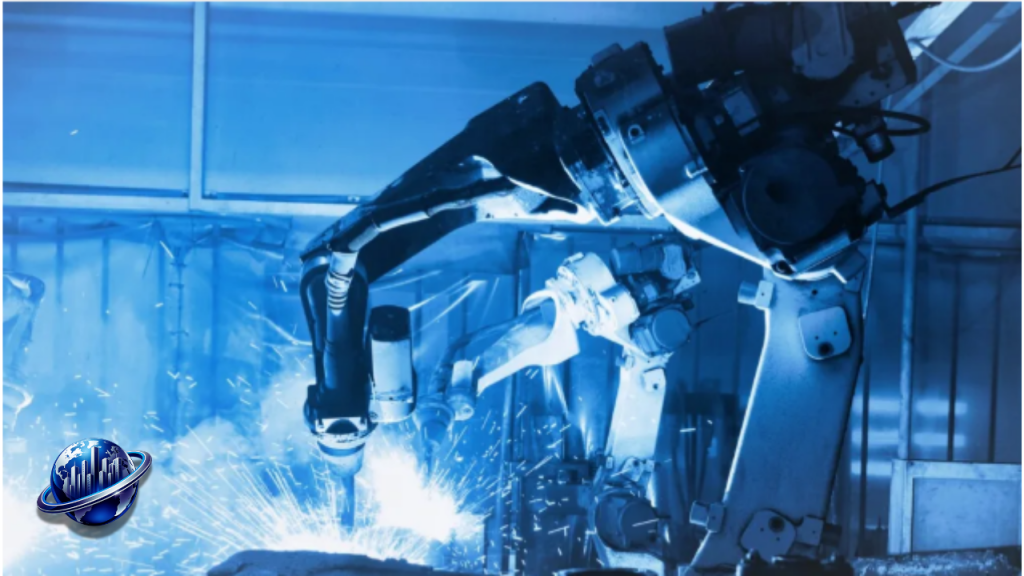
- Perform welding tasks
- Conduct inspections
- Package items
- Manage production lines
Through robotics programming, these machines can operate with incredible speed and accuracy.
Healthcare
Healthcare organizations increasingly rely on robotic systems to improve patient care.
Examples include:
- Surgical assistance
- Rehabilitation support
- Laboratory automation
- Medical imaging analysis
Advanced robotics programming allows these systems to perform complex tasks while supporting healthcare professionals.
Agriculture
Farmers are using robotics to improve efficiency and increase crop yields.
Robotic technologies assist with:
- Planting crops
- Monitoring fields
- Spraying fertilizers
- Harvesting produce
As agriculture becomes more data-driven, robotics programming plays a key role in helping farms operate more efficiently.
Logistics and Warehousing
Online shopping has increased the need for faster order fulfillment.
Many warehouses now use robotic systems to:
- Move inventory
- Sort products
- Pick orders
- Manage storage
These systems rely heavily on robotics programming to coordinate movements and optimize workflows.
Why Businesses Are Investing in Robotics
Companies invest in robotics because it delivers measurable benefits.
Increased Productivity
Robots can work continuously without breaks, helping organizations complete more work in less time.
Better Accuracy
Automated systems reduce mistakes and improve consistency across operations.
Improved Safety
Dangerous tasks can be assigned to robots, reducing risks for human workers.
Lower Long-Term Costs
While robotic systems require an initial investment, they often produce significant savings over time.
These advantages explain why robotics programming has become such a valuable skill in today’s job market.
Key Technologies Behind robotics programming
Modern robotics combines several advanced technologies.
Artificial Intelligence
AI enables robots to learn from data and make intelligent decisions.
Machine Learning
Machine learning helps robots improve performance through experience and pattern recognition.
Computer Vision
Computer vision allows robots to analyze images and understand their surroundings.
Sensors and Actuators
Sensors collect information while actuators enable movement and physical interaction.
Together, these technologies make robotics programming more powerful than ever before.
Essential Skills for Learning robotics programming
You do not need to be a genius to learn robotics. However, certain skills can make the learning process easier.
Programming Languages
Popular languages include:
- Python
- C++
- Java
Python is often recommended for beginners because it is easy to learn and widely used in robotics projects.
Mathematics
Mathematics helps developers understand movement, navigation, and control systems.
Important areas include:
- Algebra
- Geometry
- Linear algebra
- Statistics
Problem-Solving
Robotics often involves overcoming technical challenges and finding creative solutions.
Strong analytical thinking is a major advantage.
Understanding Hardware
Learning how sensors, motors, and electronic components work helps developers build better robotic systems.
Why Students Should Consider robotics programming
Students looking for future-proof career options should pay close attention to robotics.
The field combines software development, engineering, artificial intelligence, and innovation.
Benefits include:
- High career demand
- Competitive salaries
- Diverse job opportunities
- Global employment options
- Continuous learning and growth
Because robotics programming touches so many industries, professionals often have multiple career paths to choose from.
Career Opportunities in Robotics
The demand for robotics talent continues to rise worldwide.
Popular careers include:
Robotics Engineer
Designs and develops robotic systems.
Automation Engineer
Creates automated processes that improve business operations.
AI Robotics Developer
Builds intelligent systems capable of autonomous decision-making.
Embedded Systems Engineer
Develops software that runs directly on robotic hardware.
Research Scientist
Explores new technologies and innovations in robotics and artificial intelligence.
As automation expands globally, careers related to robotics programming are expected to remain in high demand.
Author Bio
| Author Bio | Details |
|---|---|
| Name | Naveed Khatri |
| Profession | Technology Writer, Cybersecurity Researcher, and AI Enthusiast |
| Website | https://moderntrendsnow.org/ |
| Expertise | Cybersecurity, Emerging Technologies, Artificial Intelligence (AI), Digital Innovation |
| Social Profiles | LinkedIn, Medium, Reddit |
Common Challenges in Robotics Development
Despite its advantages, robotics also presents challenges.
System Complexity
Modern robots combine hardware, software, sensors, and AI systems.
Environmental Changes
Real-world conditions are often unpredictable.
Safety Requirements
Robots working around humans must meet strict safety standards.
Maintenance Needs
Regular updates and monitoring help ensure reliable performance.
Effective robotics programming helps address these challenges and improve overall system performance.
The Future of robotics programming
The future of robotics looks incredibly promising.
Several trends are driving rapid innovation.
Collaborative Robots
Collaborative robots, often called cobots, work alongside humans rather than replacing them.
Smart Factories
Factories are becoming increasingly automated through connected robotic systems.
Autonomous Vehicles
Self-driving technology relies heavily on robotics programming and artificial intelligence.
Healthcare Innovation
Robotic assistants are expected to play a larger role in patient care and medical procedures.
AI-Powered Robotics
The combination of AI and robotics will create smarter machines capable of handling more complex tasks.
These developments suggest that robotics will continue transforming industries for decades to come.
How to Start Learning robotics programming
Getting started is easier than many people think.
Here are some practical steps:
- Learn Python fundamentals.
- Study basic robotics concepts.
- Explore Robot Operating System (ROS).
- Build small robotics projects.
- Learn artificial intelligence basics.
- Join robotics communities and forums.
- Practice consistently through hands-on projects.
The more experience you gain, the more confident you will become in robotics programming.
Recent Posts
- Smart TV Is Changing Home Entertainment Faster Than You Think
- Language Devices That Can Transform Technical Writing Into An Exciting Masterpiece
- Gadgets for Men Are Redefining Everyday Lifestyle and Productivity
- Geek Uninstaller Is the Smart Way to Remove Unwanted Programs
- iOS 26 wallpaper strategies: How to transform your digital space with the best layouts
Frequently Asked Questions
What is robotics programming?
Robotics programming is the process of writing software instructions that enable robots to perform tasks, make decisions, and interact with their environment.
Is robotics programming difficult to learn?
Beginners may find some concepts challenging at first, but with practice and hands-on projects, it becomes much easier to understand.
Which programming language is best for robotics?
Python is widely considered one of the best languages for beginners because it is simple, versatile, and commonly used in robotics.
Does robotics programming require mathematics?
Yes. Basic knowledge of algebra, geometry, and linear algebra can be very helpful when developing robotic systems.
What industries use robotics programming?
Manufacturing, healthcare, agriculture, logistics, transportation, defense, and research organizations all use robotics technology.
Is robotics programming a good career choice?
Yes. Robotics professionals are in high demand, earn competitive salaries, and work in one of the fastest-growing technology sectors.
Conclusion
The world is becoming increasingly automated, and robotics is at the center of this transformation. From manufacturing and healthcare to agriculture and transportation, robotic systems are helping organizations work smarter, faster, and more efficiently.
As businesses continue adopting automation technologies, the demand for skilled professionals will only grow. That is why robotics programming is quickly becoming one of the most valuable technical skills of the modern era.
Whether you are a student planning your future, a developer exploring new opportunities, or a business leader looking to innovate, learning robotics programming can provide significant long-term benefits. The future belongs to intelligent machines, and the people who know how to build them will be in a strong position to succeed.