iOS 26 wallpaper strategies: How to transform your digital space with the best layouts

Our smartphones are no longer just utilities; they are immediate reflections of our personal aesthetic and lifestyle. With the rollout of Apple’s innovative Liquid Glass design interface, personalizing your display has reached an art form. The backdrop you choose dictates the entire visual energy of your device every single time you wake the screen. If you want to maximize the deep translucency and depth physics of the current software, finding the ultimate iOS 26 wallpaper is the definitive place to start.
Thank you for reading this post, don't forget to subscribe!This comprehensive guide breaks down how the latest operating system changes the way we view digital backdrops, where to source premium assets, and how to configure your layouts for peak visual performance.
The evolution of mobile aesthetics under Liquid Glass
When Apple shifted its design direction toward the physics-based Liquid Glass language, it completely revolutionized how a standard backdrop behaves. Rather than acting as a static image resting behind a grid of applications, the current system relies heavily on light refraction, contextual depth, and responsive motion.
Choosing a high-quality iOS 26 wallpaper means selecting an image that plays beautifully with organic blurring and refractive layers. Because the interface adapts to the underlying colors of your backdrop, the tones you select will subtly influence your app icon containers, system menus, and quick-access widgets.
Embracing depth effects and subject recognition
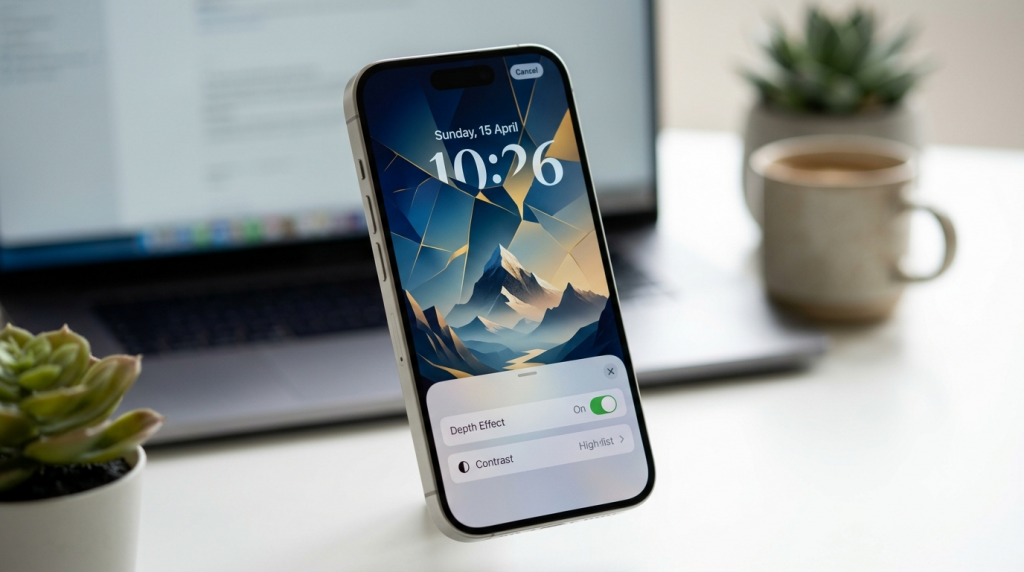
One of the standout design characteristics of the modern mobile interface is its advanced subject segmentation. When you configure a properly optimized iOS 26 wallpaper, the system analyzes the image foreground and background using local machine learning.
- Clock overlapping: A striking portrait, architectural marvel, or distinct mountain peak can sit gracefully in front of the lock screen clock.
- Dynamic scaling: The time elements dynamically adjust their layout scale based on your motion, keeping the core subject perfectly framed.
- The illusion of space: The physical separation of design elements creates a genuine three-dimensional environment on an otherwise flat glass panel.
Sourcing the absolute best visual backdrops for your device
Finding a truly premium iOS 26 wallpaper involves moving past generic image repositories and looking for high-fidelity assets designed explicitly for mobile screens. The right choice requires high contrast, intentional composition, and crisp resolutions that look flawless on high-density OLED panels.
Top design platforms and community hubs
Many of the finest digital backdrops come directly from dedicated independent artists and community curators who understand screen geometry. Platforms like Backdrops, Wallcraft, and specialized design subreddits are filled with bespoke creations tailored to the modern Apple aesthetic.
When searching for your next iOS 26 wallpaper, prioritize abstract gradients, minimalist geometry, or textured macro photography. These specific styles give the Liquid Glass engine plenty of varied color data to pull from, creating stunning system-wide translucent tints.
Official styles and dynamic options
Do not overlook the stock offerings built directly into the system software. The native iOS 26 wallpaper selection includes gorgeous, shifting variations like Halo, Dusk, Shadow, and Sky. These options automatically transition their color temperatures and ambient lighting based on your local time of day or whether you have Dark Mode toggled on.
Additionally, look out for special releases like the Pride Luminance option, which actively refracts a spectrum of vibrant colors across the screen as you interact with your device.

Step by step guide to configuring your new layout
Setting up a fresh backdrop involves more than a simple save-and-apply action. To extract the maximum visual fidelity out of your favorite iOS 26 wallpaper, you should take advantage of the built-in configuration suite.
- Open the Gallery: Navigate to your Photos app and find the specific iOS 26 wallpaper you recently saved.
- Access the Share Sheet: Tap the share icon in the lower-left corner and scroll down to select “Use as Wallpaper.”
- Adjust the Framing: Pinch to zoom or drag the image to ensure the subject sits perfectly relative to the upper widgets and clock layout.
- Choose Your Filter Style: Swipe horizontally to preview the built-in color washes, including Studio light, Black and White, or Duotone filters.
- Set the Behavior: Tap the three dots in the lower corner to ensure Depth Effect is enabled, then confirm your selection for both screens.
+-------------------------------------------------------------+
|                     LOCK SCREEN CONFIG                      |
+-------------------------------------------------------------+
|  [ Depth Effect: Enabled ]  --> Allows clock overlapping    |
|  [ Theme Filter: Natural ]  --> Maintains true color values |
|  [ Always-On Blur: On ]     --> Keeps battery consumption low|
+-------------------------------------------------------------+
Optimizing for the home screen and always-on display
A common mistake is selecting an iOS 26 wallpaper that looks phenomenal on the lock screen but transforms the home screen into a chaotic, unreadable mess of icons. Striking a clean balance between both spaces is essential for a polished user experience.
Mastering wallpaper blur for efficiency
The current operating system includes a dedicated system-level setting called Wallpaper Blur for AOD (Always-On Display). When configured alongside a minimalist iOS 26 wallpaper, this feature applies a soft, mathematical Gaussian blur over your background when your device rests on a desk. This keeps your notification text sharp and highly legible without drawing unnecessary attention or draining your battery.
Selecting the clear theme icon layout
If you prefer a hyper-minimalist setup, utilize the “Clear” theme option on your home screen. This unique mode strips away the solid color backplates from your application icons, replacing them with translucent, glass-like structures. When paired with a darker, rich iOS 26 wallpaper, the clear icons beautifully reflect the deep hues underneath, creating an exceptionally cohesive design.
Frequently asked questions
Why does my iOS 26 wallpaper disable the depth effect automatically?
The system will automatically disable the depth effect if the selected image’s subject sits too high on the screen, obscuring more than 50% of the clock area. Additionally, if you add too many heavy system widgets directly beneath the time display, the system disables overlapping to ensure readability.
Where can I find an official WWDC-inspired iOS 26 wallpaper?
Official event-themed backdrops are easily accessible via the Apple Developer platform or trusted community blogs like Basic Apple Guy. These creators regularly optimize event assets into precise mobile form factors.
Does using a dynamic or animated background impact battery life?
While static images consume negligible energy, highly complex dynamic options that alter colors based on environmental lighting do require minor background processing. For optimal energy efficiency, consider enabling the Adaptive Power mode alongside a clean, static iOS 26 wallpaper.
Can I link specific backgrounds to my focus modes?
Yes. By long-pressing your lock screen and selecting “Focus,” you can assign a unique iOS 26 wallpaper to separate profiles like Work, Personal, or Sleep, allowing your phone’s appearance to adjust contextually throughout your day.
Conclusion
Personalizing your smartphone layout is an incredibly satisfying ritual that instantly elevates your daily tech interaction. By selecting a tailored iOS 26 wallpaper that embraces the deep physics of Liquid Glass, smart depth layering, and clean iconography, you ensure your device remains both functional and visually spectacular. Take the time to experiment with different lighting filters, clear icon grids, and subtle blur configurations to build a mobile workspace that feels uniquely yours.