
Drake Waterfowl: Understanding the Majestic Males of the Duck World

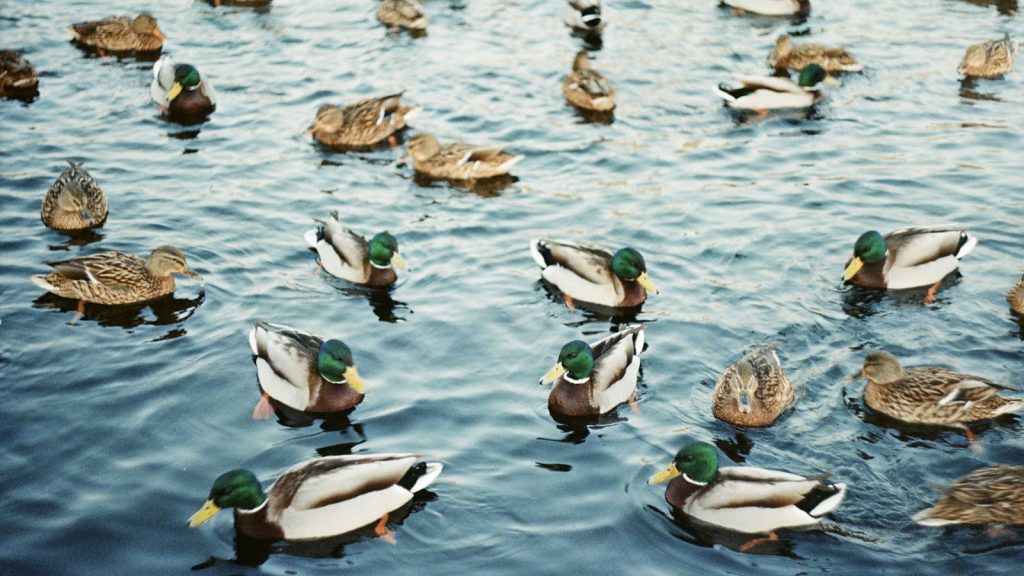
Have you ever wondered what makes Drake waterfowl so distinctive among their feathered friends? These remarkable male ducks aren’t just pretty faces; they’re key players in aquatic ecosystems across the globe. As a wildlife biologist, I’ve spent years studying these creatures, and I can tell you there’s more to their story than meets the eye. From their elaborate courtship displays to their critical role in wetland health, drake waterfowl deserve our attention and respect.
Thank you for reading this post, don't forget to subscribe!Identifying Drake Waterfowl: Physical Characteristics That Set Them Apart
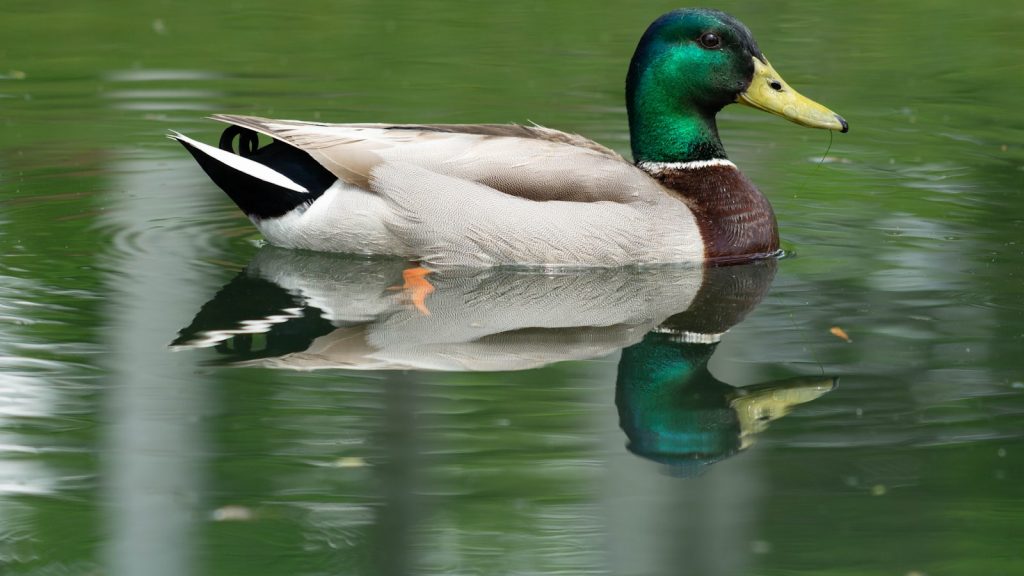
When you spot a this destination in the wild, several features immediately catch your attention. Unlike their female counterparts, males sport vibrant plumage during breeding season. Their heads often display striking color patterns, think iridescent greens, purples, or blues that shimmer in sunlight.
Sexual Dimorphism in Waterfowl Species
- Colorful breeding plumage in males versus muted female colors
- Size differences between sexes in many species
- Distinctive bill and facial features
This sexual dimorphism serves important evolutionary purposes. When I’m conducting field surveys, I can identify these spots at a glance thanks to these visual cues. The contrast becomes even more apparent during molting season when males lose their bright feathers and blend in with females temporarily.
For more on this topic, check out our guide on Rihanna net worth hits billionaire status and here’s the real breakdown.
According to recent industry coverage, this remains an important area to watch as it relates to this topic.
Size and Physical Features
Most this option measure between 16-28 inches in length, depending on species. Their wings are perfectly adapted for both powerful flight and graceful swimming. Webbed feet act like natural paddles, while their bills are perfectly positioned for dabbling in shallow waters.
Beyond the Surface: Behavioral Patterns of Drake Waterfowl
Behavioral studies reveal fascinating insights about these aquatic birds. During breeding season, these places become quite the social butterflies, or should I say waterfowl? Their courtship rituals involve intricate displays that would make any romantic comedy writer jealous.
Courtship and Mating Behaviors
- Head bobbing and neck stretching displays
- Whistling calls to attract females
- Group display formations in marshy areas
- Competitive interactions between rival males
I remember witnessing a particularly spectacular courtship display last spring. Several it were performing synchronized head bobs near a quiet pond. The females appeared utterly unimpressed, but the males persisted with admirable determination.
For more on this topic, check out our guide on Beyonce Jolene Proves Pop Icons Can Conquer Country.
Social Structure and Group Dynamics
Outside breeding season, these birds often form large flocks. This social behavior isn’t just about safety in numbers, it’s also about intelligence sharing. When I observe these gatherings, I notice complex communication patterns that suggest sophisticated social cognition.
Habitat Requirements and Migration Patterns
Where exactly do this pick call home? These adaptable creatures inhabit a variety of aquatic environments, from coastal lagoons to inland wetlands. Nissan Finance Truths That Could Save You Thousands might seem unrelated, but sustainable wetland development actually connects to their conservation needs through responsible land management.
Preferred Aquatic Environments
- Shallow marshes with emergent vegetation
- Algal-rich waters for feeding
- li>Forest edges near water bodies
- Seasonal ponds and temporary wetlands
Climate change poses significant challenges to these habitat requirements. Last year’s drought in the Midwest severely impacted traditional breeding grounds. I watched as this destination were forced to travel farther than usual to find suitable nesting areas, a clear sign of environmental stress.
For more on this topic, check out our guide on Zendaya Height Secrets That Redefine Hollywood Standards.
Migration Timing and Routes
Most species follow predictable migration patterns timed with seasonal changes. Spring migrations typically begin in March, coinciding with rising temperatures and longer daylight hours. Waterfowl migration patterns are influenced by food availability, weather conditions, and lunar cycles.
Fall migrations often start in September, as daylight hours shorten and temperatures drop. I’ve tracked several flocks using satellite technology, and their navigation accuracy never fails to amaze me. These birds can detect subtle magnetic fields and use the sun’s position for orientation.
Conservation Challenges Facing Drake Waterfowl Populations
Despite their adaptability, these spots face numerous threats in modern landscapes. Habitat destruction remains the primary concern, with wetland loss occurring at alarming rates globally. Wetland conservation efforts have made progress, but we’re losing these ecosystems faster than we can restore them.
Human Impacts on Waterfowl Habitats
- Urban development encroaching on wetlands
- Pollution affecting water quality
- Invasive species altering ecosystem dynamics
- Climate change disrupting traditional habitats
Lead contamination from fishing tackle is another serious issue. I’ve found this option with elevated lead levels in their systems, primarily from ingesting spent ammunition. Switching to non-toxic shot options could dramatically reduce this threat.
Current Conservation Strategies
Successful conservation requires coordinated efforts across multiple sectors. Wetland restoration projects led by organizations like Ducks Unlimited have proven highly effective. These initiatives focus on creating and maintaining suitable habitats while ensuring long-term sustainability.
Legislation also plays a crucial role. The Migratory Bird Treaty Act provides essential protections, though enforcement varies by region. I’ve seen community-based monitoring programs yield impressive results when local residents become invested in conservation efforts.
Ecological Role and Cultural Significance
It serve vital functions in their ecosystems beyond mere existence. As seed dispersers, they help maintain plant diversity in wetland systems. Their foraging behavior actually improves water quality by controlling algae populations naturally.
Indicators of Ecosystem Health
- Population stability reflecting habitat quality
- Reproductive success indicating environmental conditions
- Species diversity showing overall ecosystem balance
When I conduct water quality assessments, I often check this pick populations as a health indicator. Their presence or absence can signal broader environmental issues that might affect other species and even human communities.
Human Interactions and Appreciation
Cultural significance extends beyond aesthetic appeal. Indigenous communities have long incorporated these birds into their traditions and subsistence practices. Modern birdwatchers and nature enthusiasts also find deep satisfaction in observing their behaviors.
I’ve guided numerous nature tours where participants express wonder at the intricate social dynamics they witness. These moments of connection help build appreciation for conservation efforts that might otherwise seem abstract or distant.
Research Methods and Future Directions
Studying this destination requires sophisticated approaches combining traditional observation with modern technology. Banding programs provide valuable data on migration patterns and survival rates. Satellite tracking has revolutionized our understanding of their movements across continents.
Modern Research Technologies
- GPS tracking devices for migration studies
- Genetic analysis for population structure
- Remote sensing for habitat mapping
- Drones for non-invasive monitoring
Collaborative research involving universities, government agencies, and conservation organizations yields the most comprehensive insights. Recent studies have revealed unexpected behavioral complexities in these seemingly familiar birds.
Predictive Modeling for Conservation Planning
Future research focuses on predicting how climate change will affect these spots populations. Advanced modeling techniques help identify priority areas for habitat protection and restoration. I’m particularly excited about integrating citizen science data into formal research protocols.
Emerging Threats and Opportunities
Emerging concerns include emerging diseases and changing predator-prey relationships. At the same time, new conservation technologies offer unprecedented opportunities for protection. Automated monitoring systems can detect population changes more quickly than traditional methods.
Looking ahead, interdisciplinary approaches combining ecology, sociology, and economics will be essential. Understanding human dimensions of conservation helps develop more effective and sustainable protection strategies for these remarkable birds.
Watch: This option Explained
Frequently Asked Questions About Drake Waterfowl
What distinguishes male waterfowl from females?
Drake waterfowl exhibit dramatic sexual dimorphism, particularly during breeding season. Males develop bright, colorful plumage while females maintain cryptic brown coloring for nest camouflage. This difference serves important evolutionary purposes, males need to attract mates while females need to avoid predation while nesting.
How do drake waterfowl contribute to their ecosystems?
These birds play multiple ecological roles including seed dispersal, pest control, and nutrient cycling. Their foraging behavior helps maintain water quality by controlling algae populations. As prey species, they support numerous predator populations including mammals,birds, and larger fish.
What are the main threats to drake waterfowl populations?
Habitat loss and degradation represent the greatest threats, primarily from wetland destruction and water pollution. Climate change compounds these issues by altering habitat availability and timing of seasonal events. Lead poisoning from ammunition and invasive species also pose significant risks to their survival.
How can people help protect drake waterfowl?
Supporting wetland conservation organizations like Ducks Unlimited makes a significant impact. Reducing pesticide use near water bodies helps maintain water quality. Participating in citizen science projects provides valuable data for researchers. Choosing non-toxic fishing ammunition prevents lead contamination in wetland ecosystems.
Do drake waterfowl migrate long distances?
Many species are indeed remarkable long-distance migrants, traveling thousands of miles between breeding and wintering grounds. Arctic-nesting species may journey to temperate regions for winter, while others make more modest seasonal movements. Migration timing varies by species but generally follows seasonal food availability and temperature changes.
Are drake waterfowl hunted, and how does this affect populations?
Licensed hunting occurs in many regions as part of regulated wildlife management programs. When properly managed, harvest quotas maintain sustainable populations while providing economic benefits to local communities. However, overhunting in the past drove several species toward extinction, highlighting the importance of science-based regulations.
Conclusion: Drake Waterfowl Conservation and Our Responsibility
Drake waterfowl represent more than just attractive wetland residents, they’re vital components of healthy aquatic ecosystems. Their survival depends on our ability to protect and restore their habitats while addressing emerging threats from human activities and climate change.
If you’re passionate about wildlife conservation, consider supporting organizations working on wetland protection. Even small actions like reducing pesticide use near water bodies or participating in local habitat restoration projects make a difference. Community engagement in conservation efforts, much like high-profile partnerships, can create ripple effects that benefit entire ecosystems.
By understanding and appreciating these remarkable creatures, we build the foundation for effective conservation. The future of drake waterfowl, and the wetlands they inhabit, depends on collective action today.