
How Did Andrew Carnegie Treat His Workers? A Balanced Look at the Steel Magnate’s Legacy

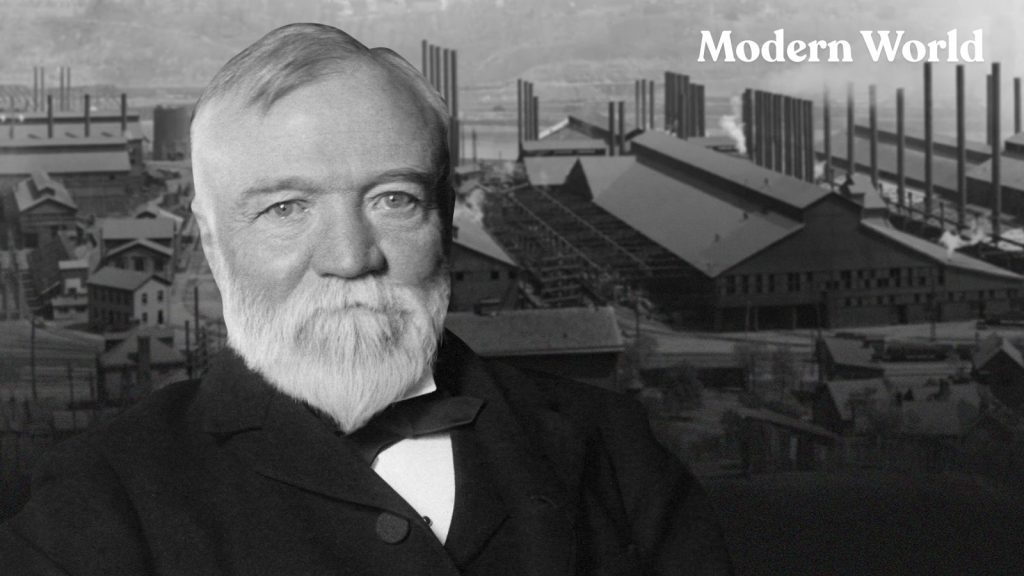
Andrew Carnegie is widely recognized as one of America’s most influential industrialists and philanthropists. He built the Carnegie Steel Company into one of the largest steel producers in the world and later donated much of his fortune to libraries, schools, and charitable causes. Despite these achievements, one question continues to spark debate among historians and students alike: how did Andrew Carnegie treat his workers?
Thank you for reading this post, don't forget to subscribe!The answer isn’t straightforward. Carnegie created thousands of jobs and played a major role in America’s industrial growth, but many of his employees worked under difficult conditions. Long hours, hazardous workplaces, and labor disputes became defining features of life in his steel mills. At the same time, his business innovations helped transform the steel industry and fueled economic development across the United States.
This article explores the reality of Carnegie’s labor practices, the challenges faced by his workers, the infamous Homestead Strike, and the lasting impact of his leadership on American history.
How Did Andrew Carnegie Treat His Workers?
To understand how did Andrew Carnegie treat his workers, it’s important to view his actions within the context of the late 1800s. The Industrial Revolution created enormous opportunities for business owners, but it also brought difficult working conditions for factory employees.
Carnegie believed that efficiency and productivity were the keys to success. His steel mills operated almost continuously, requiring workers to perform physically demanding tasks for long hours. Employees often worked 10 to 12 hours a day, six days a week, with few breaks and limited safety protections.
Although Carnegie’s mills provided steady employment, many workers felt that the demanding conditions and constant pressure outweighed the benefits. This contrast between economic opportunity and worker hardship remains one of the most debated aspects of Carnegie’s legacy.
Working Conditions in Carnegie’s Steel Mills
Working in a Carnegie steel mill was challenging and often dangerous. Employees handled molten steel, heavy machinery, and extremely high temperatures every day.
Some of the biggest challenges workers faced included:
- Long shifts that often lasted 12 hours
- Exposure to intense heat and smoke
- Dangerous machinery with limited safety features
- High risk of serious injuries
- Pressure to meet strict production targets
Industrial safety standards were still developing during this period. Protective equipment was limited, and workplace accidents were common. A single mistake could result in severe injuries or even death.
Despite these risks, many workers accepted these jobs because they offered a stable income in an era when employment opportunities were limited.
Wages and Employee Benefits
Another important part of understanding how did Andrew Carnegie treat his workers is examining their wages and benefits.
Compared with some other factories, skilled workers at Carnegie Steel sometimes earned relatively competitive wages. However, many laborers believed their pay did not fairly compensate them for the dangerous conditions and exhausting hours.
Unlike modern workplaces, employees generally did not receive benefits such as:
- Paid vacation
- Health insurance
- Retirement plans
- Paid sick leave
- Workers’ compensation
If workers became injured, they often lost both their income and their jobs. Families frequently depended on every wage earner, making workplace injuries financially devastating.
The Homestead Strike: The Event That Changed Carnegie’s Reputation
One of the most significant events connected to how did Andrew Carnegie treat his workers was the Homestead Strike of 1892.
The conflict began after Carnegie Steel announced wage reductions for many skilled workers while expecting production levels to remain high. Employees refused to accept the cuts and organized a strike.
Carnegie was visiting Scotland during the dispute, leaving company chairman Henry Clay Frick in charge. Frick hired Pinkerton detectives to secure the mill and protect replacement workers.
Violence erupted when armed Pinkerton agents attempted to enter the factory by river. Several workers and guards were killed, and many others were injured before the Pennsylvania state militia restored order.
Although Carnegie was not physically present during the strike, many historians believe he shared responsibility because the company operated under his leadership. The Homestead Strike permanently damaged his image as a champion of working people.
Carnegie’s Business Philosophy
Carnegie believed businesses should constantly improve efficiency through innovation and lower production costs.
He invested heavily in new technologies that allowed his steel mills to produce steel faster and more cheaply than competitors. These improvements helped the United States become a global leader in steel production.
However, reducing costs often meant increasing pressure on workers. Managers were expected to maximize productivity while controlling labor expenses, creating tension between business success and employee well-being.
Philanthropy vs. Worker Treatment
One reason historians continue discussing how did Andrew Carnegie treat his workers is the sharp contrast between his treatment of employees and his charitable giving.
After selling Carnegie Steel, he dedicated much of his life to philanthropy. He donated more than $350 million, an extraordinary amount for the time.
His donations funded:
- More than 2,500 public libraries
- Universities and colleges
- Museums
- Scientific research
- Educational organizations
- International peace initiatives
Carnegie believed wealthy individuals had a moral responsibility to use their fortunes for the public good. He explained this philosophy in his famous essay, The Gospel of Wealth.
Critics argue that improving working conditions during his business career would have benefited employees more directly than donating money after retirement.
Common Myths About Andrew Carnegie
Many misconceptions surround Carnegie’s relationship with his workers.
Myth: Carnegie was completely unfair to every employee.
Fact: Carnegie created thousands of jobs and paid competitive wages to some skilled workers, but working conditions remained extremely difficult.
Myth: Carnegie personally led the violence at Homestead.
Fact: Henry Clay Frick managed the company’s response during the strike, although Carnegie later accepted public criticism as the company’s owner.
Myth: Carnegie cared only about money.
Fact: After retiring, Carnegie devoted most of his fortune to education, libraries, and charitable causes that continue benefiting communities today.
Andrew Carnegie: Strengths and Criticisms
| Positive Contributions | Major Criticisms |
|---|---|
| Created thousands of jobs | Long working hours |
| Expanded the U.S. steel industry | Dangerous working conditions |
| Invested in new technology | Opposition to labor unions |
| Donated millions to education | Wage disputes |
| Built public libraries | Homestead Strike controversy |
Key Takeaways
- Carnegie transformed the American steel industry.
- His steel mills provided employment to thousands of workers.
- Employees often worked long hours in dangerous conditions.
- The Homestead Strike became one of the most important labor conflicts in U.S. history.
- Carnegie’s philanthropy earned worldwide admiration, but debates over worker treatment continue today.
- His legacy combines remarkable business achievements with significant labor controversies.
Conclusion
The question of how did Andrew Carnegie treat his workers continues to generate discussion because his legacy includes both remarkable achievements and serious criticisms. He helped build America’s steel industry, created thousands of jobs, and later donated much of his fortune to education and public institutions. At the same time, many employees worked long hours in hazardous conditions and struggled during labor disputes such as the Homestead Strike.
Understanding both sides of Carnegie’s story provides a balanced perspective. His success reshaped American industry, but it also highlights the challenges workers faced during the Industrial Revolution. Examining these facts allows readers to better understand one of the most influential and debated figures in American business history.
Frequently Asked Questions
Did Andrew Carnegie pay his workers well?
Some skilled employees earned competitive wages, but many workers believed their pay did not reflect the dangerous nature of their jobs.
Why is the Homestead Strike so important?
The Homestead Strike highlighted growing tensions between employers and labor unions and became one of the most famous labor disputes in American history.
Was Andrew Carnegie against labor unions?
Carnegie occasionally expressed sympathy for workers, but his company generally opposed labor unions and collective bargaining.
What were working conditions like in Carnegie’s steel mills?
Workers faced long shifts, hazardous machinery, intense heat, and a high risk of workplace injuries.
Why is Andrew Carnegie still remembered today?
He is remembered both as one of America’s greatest industrialists and one of history’s most generous philanthropists, making his legacy both influential and controversial.