
Clown Makeup Secrets Even Pro Performers Forget

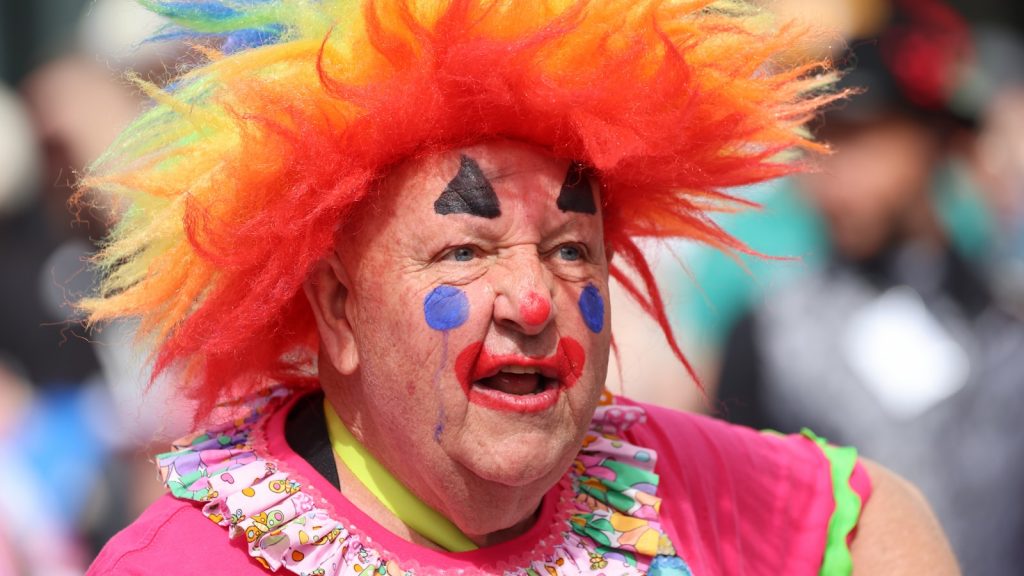
Clown makeup is something we have all seen, yet few understand the craft behind it. I mean, you watch a performer twist a balloon and you laugh, but the face tells a deeper story. Have you ever wondered why a simple red nose can feel like a punchline?
Thank you for reading this post, don't forget to subscribe!Most folks think it is just paint slapped on for a kids party. That could not be further from the truth. The process is a blend of art, psychology, and old school theater tricks. For a solid overview of the tradition, check clown history on Wikipedia to see how far back this goes.
I remember my first attempt at a whiteface look. It was a disaster of streaky yellow and a nose that slid to my chin by intermission. Still, the crowd laughed because the effort read as honest.
Why Clown Makeup Is More Than Just Paint
When you study clown makeup, you realize it is a language. Each swipe of color speaks before the performer says a word. I have sat with students who swear they cannot draw, then watch them find a voice through it.
The Silent Language of Color
Red cheeks signal warmth, while a white base can read as vulnerable. The exact placement changes how an audience feels safe or surprised. Why do you think circus acts always smile big under the lights?
Traditional clown makeup uses greasepaint that sits heavy on the skin. That weight forces the actor to exaggerate movement. It is a feedback loop between face and body, a dance of pigment and muscle.
Research from MIT News shows humans read facial expressions in under two hundred milliseconds. That speed means your painted grin does the comedy before the joke lands. Miss the mark and the crowd stays cold.
The mind reads a painted face as permission to play. When you wear the look, you give others a license to be silly back. That mutual drop of guard is rare in adult life.
Consider the auguste type, with messy reverse triangles and a big mouth. The shape tells you he will trip before he speaks. Color alone carries that story.
Reading Expressions Up Close
The basic clown makeup starts with a clean face and a calm mind. You cannot rush a canvas that will smile for two hours. I tell my class to breathe before the first dab.
Many beginners think clown makeup is just red nose and white face. They miss the subtle brow work that sells the character. Have you noticed how a tilted eyebrow changes the whole mood?
This facial art relies on contrast. A small shift in line weight can turn sadness into silly. We practice in pairs so one person paints while the other coaches the emotion.
A performer once told me the paint is a microphone for the eyes. Without it, subtle glances vanish in a big room. With it, a blink gets a giggle.
Tools You Need Before You Start
Before any paint touches skin, gather your kit. A good brush set and a mirror with honest light are non negotiable. You would not write a paper with a broken pencil, right? A cluttered routine makes art hard, and Algorithms to Live By That Will Fix Your Chaotic Life shows how small systems fix chaos.
Creams, Powders, and Brushes
Greasepaint and modern creams both work, but they behave differently under heat. Theatrical makeup pros often mix their own shades. I once watched a performer blend two tones to match a costume exactly.
You can buy professional clown makeup at theaters or specialty shops. The price tag is modest compared to other stage crafts. A starter kit can run less than fifty bucks, according to market data from Statista.
Do not forget a setting powder and a few sponges. These humble items save you from mid show shine. A tiny tray keeps colors from migrating into each other.
Quality does not mean expensive. Many working actors prefer a twenty dollar stick over a luxury brand. Feel the texture, that is the real test.
Keep your tools clean like a kitchen. Dirty brushes breed bacteria and ruin a smooth blend. A quick wipe after each use pays off.
Here is a quick checklist of starter items:
- Soft bristle brushes in three sizes
- Greasepaint stick or cream palette
- Translucent setting powder
- Alcohol wipe for quick fixes
Setting It So It Stays
A light powder locks the work so sweat does not smear it. This step is skipped by amateurs and regretted later. Trust me, a runny cheek is no joke under stage lights.
Applying clown makeup requires patience more than talent. The brush does not decide, your eye does. We practice on ourselves before we ever touch a partner’s face.
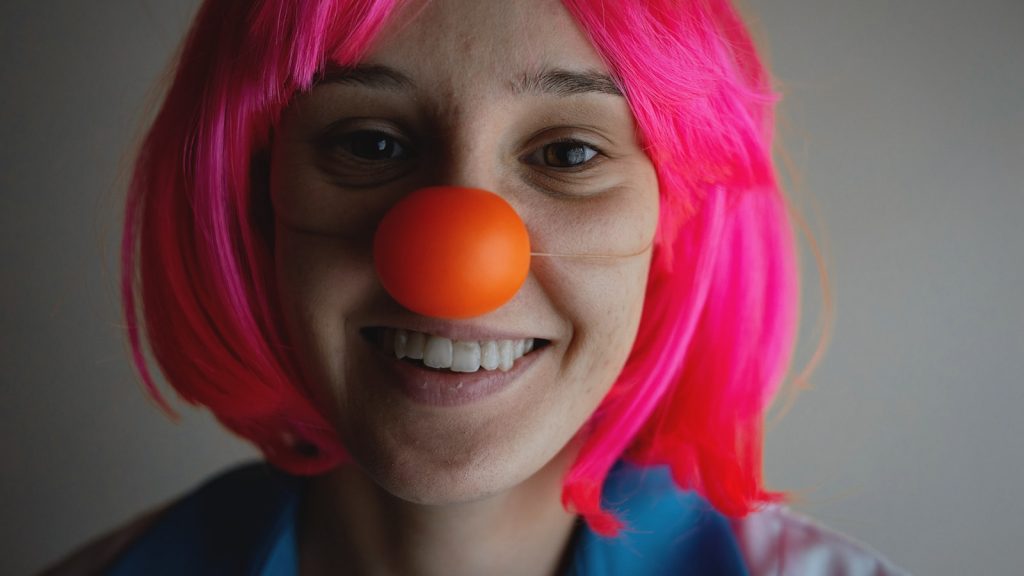
Step by Step Application for Beginners
Let’s walk through a simple routine anyone can try at home. No need for a circus contract to learn the basics. You will laugh at your first attempt, and that is fine.
Base Layer and Neutralizing
Start with moisturizer, then a white or flesh base depending on your character. The goal is even tone, not a mask that cracks. A good clown makeup design considers facial muscles, not just static color.
Neutralize any redness so the later shapes pop. This is the unglamorous part nobody posts online. But skip it and your cheeks will look muddy under bright bulbs.
We can learn from other fields too. The quiet efficiency of Industrial Automation Software Is Quietly Running the Factories You Depend On reminds us that prep work beats heroics.
Do not pressure yourself for perfection on day one. The craft builds muscle memory slowly. My own early photos are rough, and I keep them as proof of growth.
Lighting at home differs from a stage, so test with a lamp close to your face. Adjust the size of features until they read on camera if you plan to film.
Building the Features
Now add the brows, the nose, and the classic grin. Use a small brush for control and a mirror that shows your whole head. Some cultures treat clown makeup as ritual, passed from mentor to apprentice.
Modern clown makeup incorporates FX like scars or sparkles for themed shows. The core shapes stay the same, though. It is evolution, not revolution.
Follow this numbered sequence for the features:
- Draw the brow arcs with a thin angled brush
- Fill the nose with a circular red or black tone
- Outline a smile that extends past natural lips
- Set everything with a press of powder
Common Mistakes That Ruin the Look
Even solid technique fails with a few lazy habits. I have judged competitions and seen bright talent sink from silly errors. You can avoid the pain by listening close.
Too Much Blush
Heavy pink cheeks read as sunburn, not comedy. Restraint sells the joke better than a full slash of color. If you want to learn clown makeup, watch pros and note how little they use.
Another trap is forgetting the neck. A white face with a bare throat looks like a floating head. Blend down or accept the ghost vibe.
Another error is copying a photo without understanding the face underneath. Your bone structure shapes where lines should sit. Trace your own smile, then exaggerate from there.
Some folks skip the moisturizer and wonder why the base cracks. Skin prep is part of the art, not a chore before it. Drink water and treat the canvas kindly.
Ignoring Lighting
Stage lights wash out soft tones, so test your look under similar bulbs. The cost of clown makeup is low, but wasted effort stings. Bring a friend to photograph before the show.
We practiced clown makeup in class last semester with surprising results. One quiet student became the life of the room. That transformation is why I teach this stuff.
Business lessons apply here as well. Reading Forbes on creative industries shows how small acts of craft build loyal crowds.
Where This Art Form Goes Next
The craft is not stuck in the 1800s, even if the stereotypes say so. New performers mix digital trends with old brush wisdom. It is a living language, still learning new words.
Digital Influence on Design
Social clips spread looks faster than any touring show once did. Her clown makeup took an hour but earned a thousand likes in a night. The screen changes how we size the features.
Yet the in person connection remains the gold standard. They reviewed clown makeup history in a recent workshop I attended. The old photos showed how little the smile has changed.
Tech innovation mirrors this quiet growth. Consider how Droven.io Enterprise Tech Innovation is Quietly Beating the Giants in its own field with steady iteration.
Schools now include this topic in drama curriculums, which warms my professor heart. Young people learn empathy by pretending to be foolish on purpose. The painted cheek becomes a bridge between strangers.
Global festivals celebrate the look with contests and parades. You can see adaptations from Brazil to Japan that keep the core smile. It is a universal dialect of joy.
Community Workshops
Local libraries now host paint nights with a comic twist. I love clown makeup because it frees expression for shy folks. You do not need a stage to belong to this silly tribe.
That is the magic of clown makeup, a simple phrase for a deep practice. We have covered a lot, but the best teacher is your own mirror. So go smear a little joy and see what stares back.
Frequently Asked Questions
1. What is clown makeup used for?
Clown makeup is used to create expressive characters for circus performances, theater productions, parties, street entertainment, and comedy acts. It helps performers communicate emotions that are visible even from a distance.
2. What type of paint is best for clown makeup?
Professional clown makeup is usually created with greasepaint or high-quality cream-based theatrical makeup because these products offer strong color, smooth coverage, and long-lasting performance under stage lights.
3. How do I make clown makeup last longer?
To make clown makeup last throughout a performance, start with clean, moisturized skin, apply thin and even layers, and finish with a translucent setting powder or setting spray to reduce smudging.
4. Is clown makeup safe for sensitive skin?
Yes, clown makeup can be safe for sensitive skin if you use reputable, skin-friendly products and perform a patch test before full application. Always remove the makeup gently after use and moisturize your skin afterward.
5. Can beginners learn clown makeup at home?
Absolutely. Beginners can learn clown makeup by practicing basic face designs, watching experienced performers, and experimenting with different facial expressions. Consistent practice is the best way to improve.
Conclusion
Clown makeup is much more than colorful paint and a red nose. It is a performance tool that helps tell stories, express emotion, and create memorable connections with an audience. Whether you are preparing for a stage production, a birthday party, or simply exploring a new creative hobby, learning the fundamentals of clown makeup will help you build confidence and develop your own unique character.
Like any art form, great clown makeup comes with practice. Start with simple designs, pay attention to facial expressions, experiment with different colors and shapes, and refine your technique over time. The more you practice, the more your painted face will become an extension of your performance, turning every smile, glance, and gesture into part of the act.