How to Travel Cheap in Europe Without Missing Out on the Magic

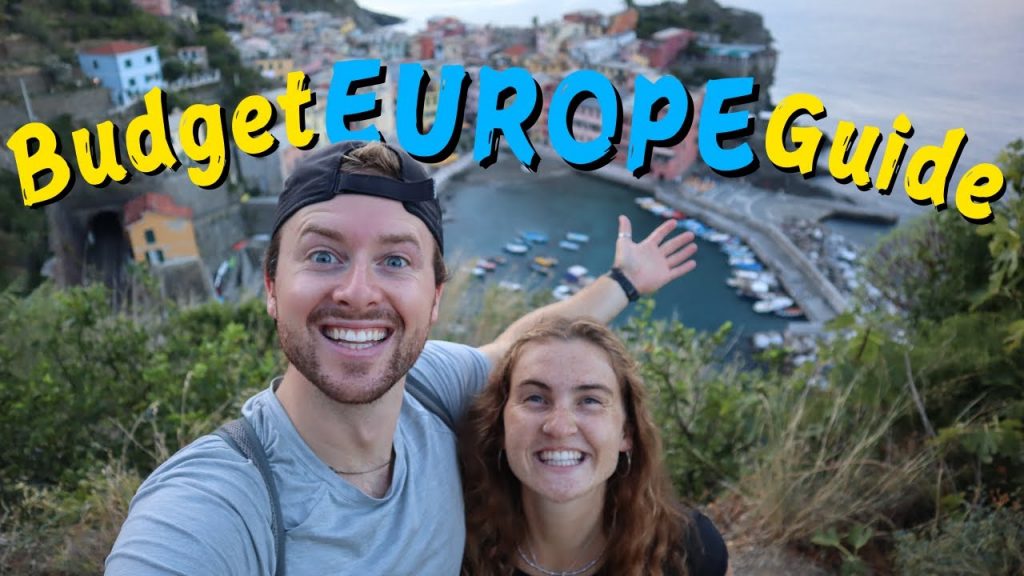
Ever dreamed of wandering through historic cobblestone streets, gazing at breathtaking mountain vistas, or sipping rich coffee in charming cafes, all without emptying your wallet? How to travel cheap in Europe isn’t about sacrificing experiences; it’s about being clever with your choices. With a little planning and these practical strategies, you can stretch every euro further than you thought possible.
Thank you for reading this post, don't forget to subscribe!Mastering the Art of How to Travel Cheap in Europe: Your Practical Guide
Accommodation: Think Beyond Hotels
One of the biggest expenses when traveling is where you lay your head. Instead of booking traditional hotels, consider hostels. They’re not just for backpackers anymore. Many offer private rooms if you want some alone time. Platforms like Hostelworld and Booking.com regularly feature budget-friendly deals.
For something even more unique, try house-sitting or couchsurfing. Sites like TrustedHousesitters connect travelers with homeowners who need someone to care for their property. You get free accommodation in exchange for light duties like watering plants or feeding pets. It’s a win-win that makes how to travel cheap in Europe feel effortless.
For more on this topic, check out our guide on Solo Travel Safety Tips for Women: Your Essential Guide to Exploring the World with Confidence.
According to background research, this remains an important area to watch as it relates to how to travel cheap in Europe.
If you’re curious about alternative living arrangements, check out Solo Travel Safety Tips for Women: Your Essential Guide to Exploring the World with Confidence for advice on safe and affordable lodging options.
Transportation: Navigate Smartly
Eurail passes can be tempting, but they’re not always the cheapest option. For shorter trips, budget airlines like Ryanair and Wizz Air offer rock-bottom fares, if you book early and travel light. EasyJet and British Airways also have sales that beat rail prices.
Within cities, avoid taxis unless absolutely necessary. Most European cities have excellent public transport systems. Get an OV-chipkaart in Amsterdam or a Paris Navigo pass for unlimited metro rides. Walking tours are free and reveal hidden gems you’d never find on a bus.
Statista reports that intercity bus services like FlixBus have grown by over 300% in the past decade, offering rides from as low as 5 euros between major cities. That’s the secret to how to travel cheap in Europe, using buses instead of trains.
According to recent industry coverage, this remains an important area to watch as it relates to how to travel cheap in Europe.
Dining Deliciously on a Dime
Food is where many travelers blow their budgets. Skip touristy restaurants near famous landmarks. They’re overpriced and often mediocre. Instead, eat where locals do. Look for places filled with workers or students, that’s where authenticity lives.
Street food is another goldmine. From Turkish dürüm in Berlin to croquettes in Barcelona, these meals cost between 3 to 8 euros. Supermarkets sell fresh produce, cheese, and bread for picnic lunches. Grab a bottle of wine from a local market and enjoy sunset by the Seine.
Consider staying in accommodations with kitchenettes. Airbnbs with kitchen access let you cook simple meals rather than dining out every night. This single change can save hundreds on your trip.
Free and Low-Cost Activities
Museums are wonderful, but they cost money. Many cities offer free museum days. In London, the British Museum and National Gallery are always free. Paris gives free entry to those under 26 on the first Sunday of each month.
According to peer-reviewed research, this remains an important area to watch as it relates to how to travel cheap in Europe.
Hiking, beach strolls, and park picnics cost nothing. Sit in on free walking tours, tip-based ones run by companies like Sandemans. They provide deep cultural insights without charging upfront fees.
Check local event calendars. Cities like Lisbon and Vienna host summer festivals with free concerts. Churches often have free organ recitals. These moments become the memories that outlast any paid attraction.
Money-Saving Hacks That Actually Work
Use travel apps like Trail Wallet or Splitwise to track spending. Knowledge is power when sticking to a budget. Set daily limits and stick to them.
Withdraw cash from local ATMs instead of exchanging currency at airports. Airport exchange booths charge hefty fees. Your bank likely offers better rates through their partner networks.
Carry a mix of payment methods. Some small shops only accept cash. Having both ensures flexibility without overpaying transaction fees.
Buy groceries for breakfast. Yogurt, fruit, and bread cost less than hotel buffets. A week’s supply might cost 10 euros versus 70 for buffet-style meals.
FAQs About How to Travel Cheap in Europe
What is the cheapest month to visit Europe?
November through March offers the lowest prices across most destinations. Crowds thin out, and hotels slash rates by up to 50%. Weather varies, but indoor activities like museums and thermal spas compensate beautifully.
Are hostels safe for solo travelers?
Yes, especially female-focused ones. Read reviews carefully and choose well-reviewed properties in safe neighborhoods. Many hostels now provide 24-hour reception and lockers for valuables.
How much money do I need per day?
Budget travelers can survive on 50 to 75 euros daily. Mid-range travelers spend closer to 150 euros. Factor in accommodation, food, transport, and attractions. Use tools like Numbeo to research city-specific costs before arrival.
Is it better to book flights or trains?
Flights win for distances over 500 kilometers. Trains excel for shorter routes under 300 kilometers. Book both in advance using Skyscanner for flights and Trainline for rails. Flexibility pays off.
Should I learn the local language?
Basic phrases help immensely. Locals appreciate efforts, even if imperfect. Google Translate works offline and breaks communication barriers. A smile goes further than fluent grammar.
What about internet access?
Free WiFi is widespread, in cafes, libraries, and even some parks. Buy local SIM cards at airports for data. Providers like Lebara offer affordable international plans starting at 10 euros monthly.
Final Thoughts on Making How to Travel Cheap in Europe Work for You
Traveling Europe on a budget doesn’t mean missing out, it means discovering deeper connections with places and people. Every challenge overcome builds confidence. Every local conversation enriches your story.
Start planning today. Set a savings goal. Research destinations that align with your interests and budget. Book flexible itineraries allowing spontaneous changes. Remember, the journey shapes you as much as the destinations do.
Ready to begin? Share your planned route in the comments below. Let’s inspire each other to explore wisely, affordably, and joyfully. Europe awaits, make every euro count.
For more inspiration, read The Ultimate Guide to Best Travel Destinations 2026 for Your Next Adventure and discover where your next adventure might lead.